
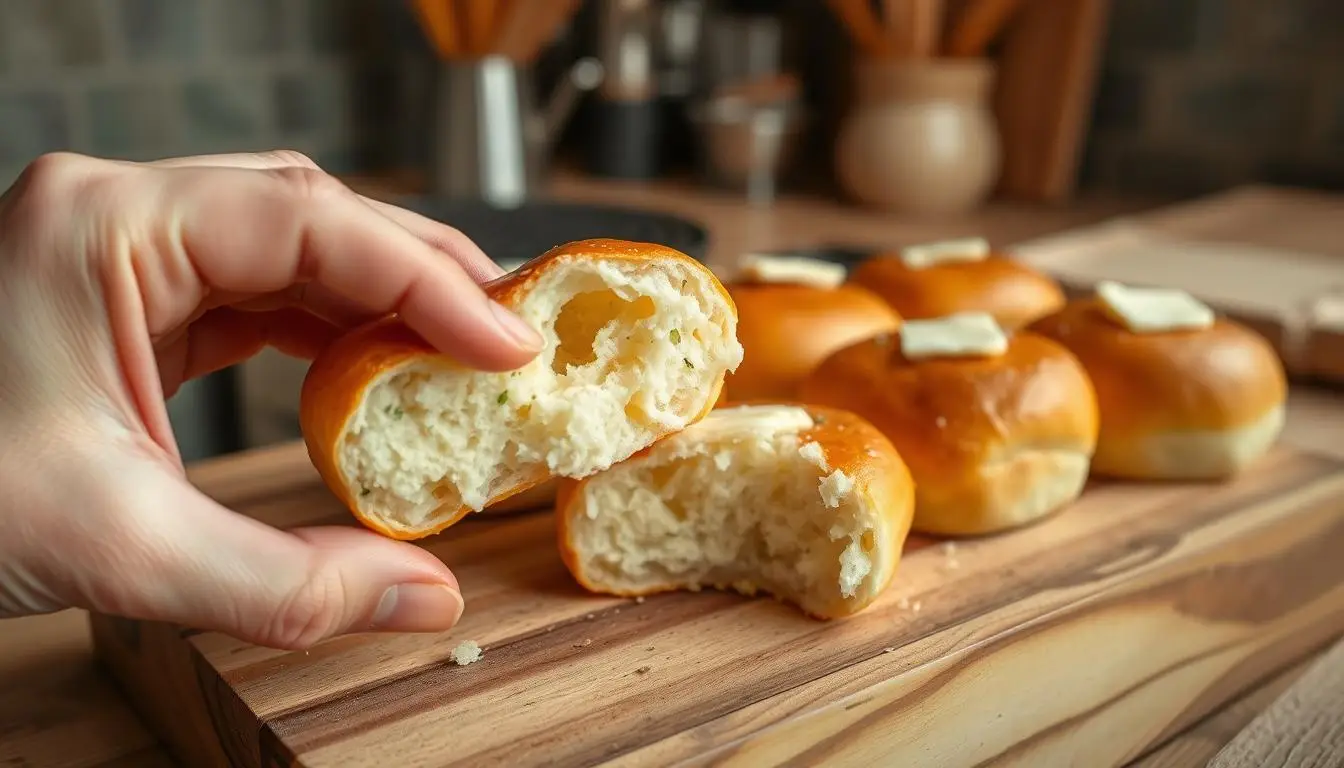
Keto Bread Rolls – Low Carb Recipe | Quick & Easy
You’re making a practical, low-carb take on classic rolls that gives you a bready bite without the high carbs of wheat. This recipe is built to satisfy real cravings while staying aligned with your keto routine.
Expect a satisfying texture, not a clone of yeast-risen loaves. The payoff is fewer carbs and much faster baking, whether you choose the dairy-free, egg-free path or the cheese-rich fathead-style option.
You can mix the dough by hand or use a food processor. The post shows which ingredients make the dough work, how to form even dough balls, and how to bake for golden tops. You’ll also learn serving ideas for breakfast, lunch, or dinner.
Net carbs vary: expect ~4.7g net carbs for an egg-free, vegan version and roughly ~4g for fathead-style examples. That helps you pick the style that fits your macros without losing taste.
Table of Contents
Why You’ll Love These Low Carb Bread Rolls
Choose flavor and function without the carb penalty. These low-carb options cut typical wheat roll net carbs from about 15g+ down to roughly 4–5g per serving. That macro win makes them easy to fit into your meal plan.
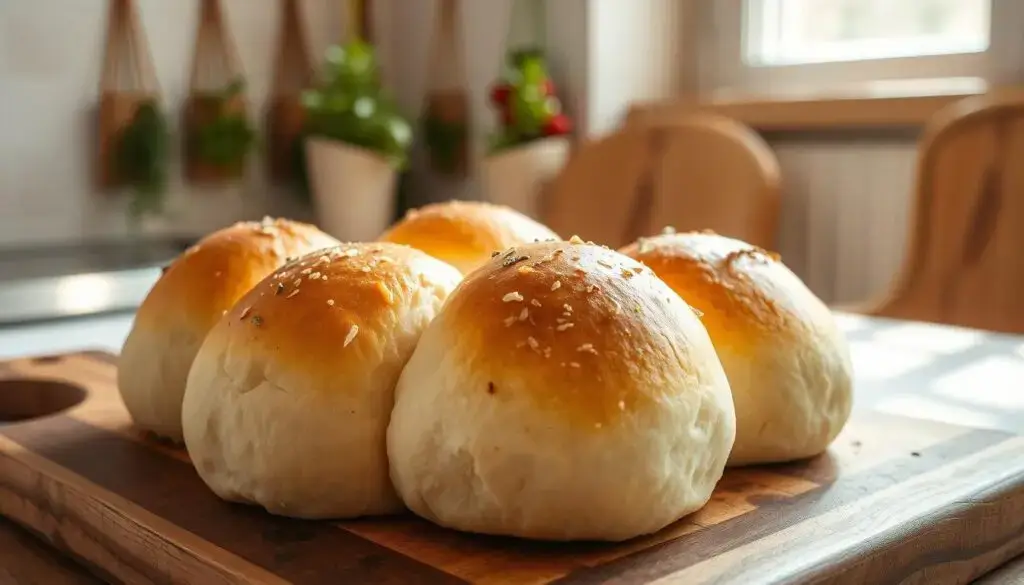
Keto-friendly net carbs compared to traditional rolls
You’ll see the difference fast: an egg-free version lands near ~4.7g net carbs per roll, while fathead-style examples often fall around ~4g depending on size. This keeps your meals satisfying and lower in net carbs.
Gluten-free texture and a real bread bite
Gluten-free doesn’t mean crumbly. Almond flour plus binders like psyllium or the cheese-and-egg mix in fathead dough gives chew and structure. Expect a firm, sandwich-ready crumb rather than a yeast-like sponge.
Two popular styles: egg-free vs fathead dough
- Egg-free: vegan or dairy-free, milder flavor and good chew.
- Fathead-style: uses cheese for elasticity and a sturdier crumb for burgers.
- Both are quick: no long proofing, great for weeknight meals.
Bottom line: pick the style that fits the use—sturdier dough for buns, egg-free for a classic roll vibe—and enjoy satisfying loaf substitutes without feeling like you’re skipping bread.
Keto Bread Rolls Ingredients: What You Need and Why It Works
Pick the correct flours and binders first — they change texture more than any other step. Get quality ingredients and the dough will behave predictably.
Almond flour vs almond meal for the best texture
Ultra-fine almond flour gives the least gritty crumb and a more authentic bite. Coarser almond meal can leave a sandy texture, so choose finely ground almond flour for sandwich-ready results.
Coconut flour and psyllium for structure
Coconut flour is extremely absorbent; use a small amount to stop wet dough and add lift. Whole psyllium husk builds a chewy, bready crumb in egg-free dough. Psyllium husk powder works too, but you’ll need less because it’s denser.
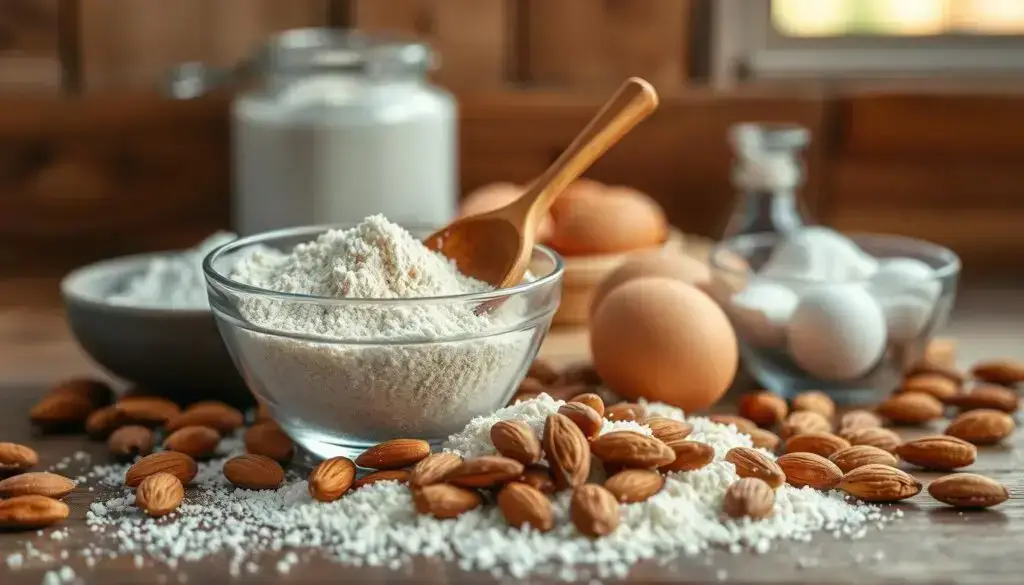
Leavening, acids, cheese, and eggs
Baking powder adds lift by itself. Baking soda needs an acid (apple cider vinegar, buttermilk, or Greek yogurt) to produce bubbles and extra rise.
For fathead-style dough pick low-moisture part-skim mozzarella plus full-fat cream cheese to avoid oily, wet batter. Eggs bind and give structure; an egg wash adds sheen, but you can skip eggs and rely on psyllium and resting for shape.
- Warning: don’t swap whole psyllium husk with Metamucil-style supplements — additives can change moisture and color.
- These ingredients together replace yeast-based structure with a fast, reliable lift.
Tools and Prep for Quick & Easy Keto Baking
Choose the right gear and your prep becomes predictable. Pick tools that match the dough style you plan to make. Stage them before you melt cheese or measure dry ingredients.
Food processor, mixer, or bowl — which to use
If you make a cheese-based fathead-style dough, a food processor with a dough blade is the fastest way to get a uniform mix. Pulse quickly so the melted cheese and eggs bind before the cheese firms up.
Use a plain mixing bowl for egg-free, psyllium-based dough. It is simpler and cleaner for that style.
If you have a stand mixer, it works too, but expect a stickier clean-up and slightly longer mixing times.
Parchment, baking sheet, and dough blade basics
Line a baking sheet with parchment so rolls release easily and bottoms brown evenly. Preheat the oven before shaping so cheese-based dough doesn’t sit and stiffen.
- Dough blade basics: a dough blade reduces wrapping and helps the processor mix sticky dough.
- Measure dry ingredients precisely and stage tools before melting cheese.
- For melting, use short microwave bursts or a double boiler to avoid scorching.
How to Make the Dough (No-Stress Method)
Begin with the dry ingredients: whisk them until the powder blends smooth and lump-free. This step keeps baking powder and flours distributed so you don’t bite into uneven spots.
Combining dry ingredients to avoid clumps
Measure flours and psyllium, then whisk in a bowl so the mix is uniform. Use a fine whisk and take 30–60 seconds to break up any clumps.
Melting cheese safely for fathead-style dough
For cheese-based dough, heat mozzarella and cream cheese in 30-second microwave bursts, stirring between each burst until cohesive. Or use a double boiler for gentler control.
Safety cue: let the melted cheese cool a few minutes so it stays warm but won’t scramble eggs when you combine them.
Resting the dough for better shaping and crumb
Pulse the warm mix in a food processor for the smoothest result, or knead briefly by hand (you can wrap it in plastic to manage stickiness). Egg-free dough benefits from a 10–12 minute rest so hydration evens out and shaping gets easier.
- If the dough seems too wet, check your coconut flour first.
- If it feels dry, rest for a few minutes before adding liquid.
Shaping Dough Balls for Even, Fluffy Rolls
Even sizing and tight surfaces give you predictable, fluffy outcomes. Follow a few quick steps so each portion bakes the same and browns evenly in the oven.
Portion sizes and spacing for consistent baking
Decide first: the egg-free example divides into 6 larger balls; the fathead version splits into 8 smaller balls.
Place each portion on a parchment-lined sheet about 2 inches apart so hot air circulates during baking. Consistent size keeps bake time predictable.
How to prevent sticking when rolling with your hands
Lightly oil your hands or dampen them for psyllium dough to shape without tearing the surface. Roll each piece between your palms until the surface tightens into a smooth ball.
Quick handling and gentle pressure encourage uniform rise and an even crust.
Optional toppings and the finish decision
Top with sesame seeds, poppy seeds, everything bagel seasoning, or a sprinkle of Parmesan. If you use an egg wash, brush first so seeds adhere.
- Tip: pin this shaping checklist to repeat the same sizing and spacing next time you make bread rolls made for sandwiches or sliders.
Baking Your Rolls: Oven Temp, Timing, and Visual Cues
Accurate oven temperature and timing make the difference between a soggy center and a clean slice. Set the oven before you shape so heat is stable when the pans go in.
Recommended bake ranges from tested recipes
Use these proven windows to match your dough style:
- Egg-free (psyllium): bake at 375°F (180°C) for about 40–45 minutes.
- Fathead-style: bake at 350°F for roughly 21–23 minutes.
How to know they’re done: golden tops and set centers
Look for golden-brown tops and a surface that feels dry to the touch.
Press the center lightly—if it springs back and isn’t squishy, it’s done. Let them rest so the interior finishes and slices cleanly.
Steam boost trick for more rise
For extra lift, toss a handful of ice cubes onto a preheated sheet pan on a lower rack when you slide the pans in. The steam helps initial oven spring in the first few minutes.
- If tops brown too fast, tent loosely with foil mid-bake.
- Avoid opening the oven repeatedly in the first half of baking to prevent lost lift.
Your goal: evenly baked bread that holds shape, cuts well, and gives a dependable finish every time.
Finishing Touches for Better Flavor and Color
Finishing techniques give you a glossy, golden top and a buttery aroma that invites a first bite. These final steps are quick and safe, and they don’t change the base dough.
Egg wash for shine and deeper browning
Brush an egg wash over tops just before baking to encourage deeper browning and a bakery-style sheen. If you forgot, you can apply it mid-bake once the surface firms slightly.
Note: many fathead-style recipes reserve one of the eggs for this purpose so you still get structure plus color.
Brushing with melted butter right before serving
Right after the oven, brush hot pieces with melted butter to soften the crust and boost flavor. This step makes the aroma pop and gives a classic bread finish.
- Use melted butter plain or mix in a pinch of salt, garlic powder, or chopped herbs for a savory upgrade.
- Fathead versions are best served hot, when cheese is tender; egg-free versions hold a more neutral bite at room temp.
- These touches improve color, aroma, and the first bite without altering your recipe.
“A light egg wash and a quick brush of butter are the easiest ways to make home baking look professional.”
Serving Ideas for Keto Bread Rolls
Serving is where this recipe really shines: small changes turn the same dough into very different plates. Use simple toppings or hearty fillings to match the meal and your macros.
Breakfast: quick toasts and spreads
Slice and toast for extra crispness — toasting restores texture after day one. Spread with butter, natural nut butter, or a chia-seed jam for fast flavor.
Tip: a thin smear of cream cheese plus sliced berries makes a filling morning treat.
Lunch: sliders, sandwiches, and burger buns
Use them as sturdy buns for sliders or stacked sandwiches. Fill with avocado, mayo, deli turkey, roasted vegetables, or pulled pork for portable food that keeps you full.
Dinner: sauce soak-ups and cheese pairings
Serve warm as a curry side to soak up sauce without spiking carbs. Pair with keto-friendly cheese like Camembert or mozzarella, or offer cream cheese as a spreadable option.
- Macro tip: add high-protein fillings — turkey, tuna, chicken salad, or pulled pork — to raise satiety.
- For hosting, make a basket of mixed toppings (everything seasoning, sesame, Parmesan) so guests customize their own.
Net Carbs and Nutrition Notes for Your Keto Lifestyle
Track portions, not guesses. Check labels and weigh ingredients so your per-piece numbers stay reliable. Small brand differences in almond flour or cheese change totals fast.
Typical net range per roll and why it varies
Expect most low-carb rolls to land around 4–5g net carbs per piece. For example, an egg-free version is roughly ~4.7g net carbs, while a fathead-style example often measures about ~4g net depending on size.
Variation comes from portioning (6 larger pieces vs 8 smaller ones), label differences in almond flour and coconut flour, and any added dairy like buttermilk or yogurt.
How to calculate net carbs yourself
Net carbs = total carbohydrates − fiber. Use that simple formula when you log recipes. Some sugar alcohols or sweeteners may be excluded depending on your calculator.
Practical notes: 1/4 cup buttermilk can add about 3 net carbs to the whole batch. A fathead-style example with 6g carbs and 2g fiber becomes 4 net carbs per roll. High fiber ingredients like psyllium or coconut flour lower net totals.
- Fat and satiety: higher fat in cheese-based dough increases fullness, so factor fat into your daily targets.
- Weigh and track: log bake time in minutes and serving count so per-roll nutrition stays consistent.
- Tools: use a nutrition calculator and the exact brand values for almond flour and cheese to get precise results.
“Weigh ingredients and record servings — precise tracking keeps your macros accurate.”
Conclusion
A few reliable cues—color, spring, and texture—make baking consistent and repeatable. Choose egg-free keto bread rolls when you want a classic loaf-like vibe, or pick fathead dough for maximum structure and sandwich-ready strength.
Measure, mix, rest, shape, and bake using visual cues—not guesswork. Use the oven times in this post and count your mins for repeatable results.
Storage tip: keep egg-free pieces wrapped in a clean towel at room temp up to ~6 days; skip the fridge to avoid sogginess. Freeze extras in zip-top bags, thaw at room temp, and rewarm in the oven or toaster oven for best texture.
Rewarm fathead rolls before serving; toast egg-free ones to refresh the crust. Pin this recipe post, try it once, then tweak toppings and portion size to match your macros. If you want more yeast-free options, try related recipes like bagels, breadsticks, or crackers next.
If you enjoy these keto bread rolls and want more reliable low-carb bread options without trial and error, a complete keto bread guide can save you time and wasted ingredients. Our Keto Bread & Baking Book includes step-by-step recipes for rolls, buns, sandwich loaves, bagels, and yeast-free alternatives, all tested for texture, net carbs, and consistency. Each recipe includes ingredient ratios, baking cues, and macro guidance so you can choose the style that fits your keto goals.
👉 Access the full Keto Bread Book here.
FAQ
How many net carbs are in one roll made with almond flour?
Can I swap almond flour for almond meal?
Do I need psyllium husk powder for chewy texture?
How do you make fathead‑style dough without melting cheese unevenly?
Can I make egg‑free rolls or are eggs required?
What oven temperature and bake time work best?
How do I prevent rolls from sticking when shaping with my hands?
Will adding baking powder or baking soda make a big difference?
Should I use coconut flour in the mix?
Can I prepare the dough ahead and bake later?
What toppings work best for flavor and color?
How do I calculate nutrition for homemade rolls?
Can I use a stand mixer or food processor for the dough?
Any tips for achieving a golden top without overbaking?
Are these rolls suitable as burger buns or sliders?
There are no reviews yet. Be the first one to write one.