
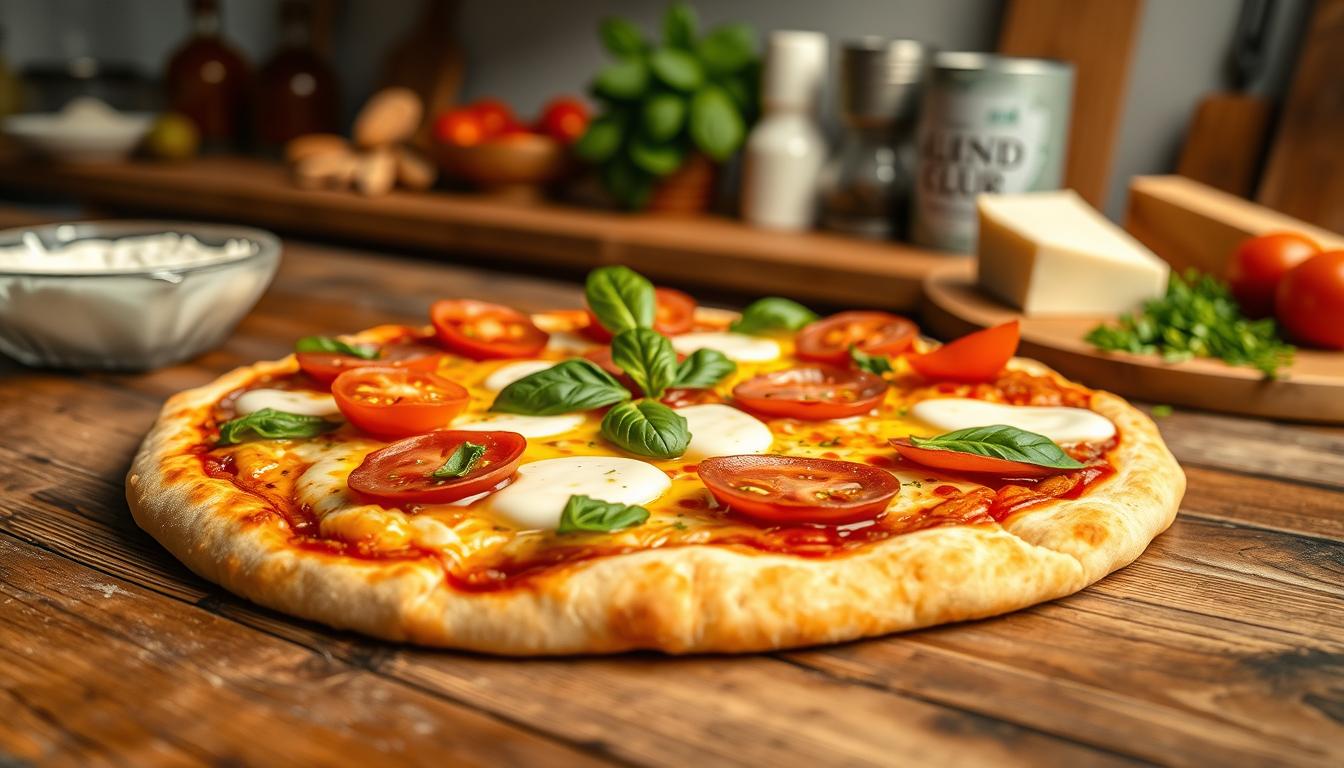
Best Keto Pizza Crust Recipe for Low-Carb Lovers
Pizza lovers, rejoice! Finding a tasty keto pizza crust recipe is now a reality. I once craved pizza on a low-carb diet, and it was tough. But now, a low carb pizza base has changed how I enjoy pizza.
Imagine a crispy, chewy pizza crust that fits your keto diet. This recipe is perfect for both keto veterans and newcomers. It makes meal planning exciting, offering a pizza base that rivals traditional ones.
We’ll look at cheese-based fathead dough and almond flour options. These keep your net carbs low, usually under 4 grams per slice. No more guilt on pizza nights; it’s now a guilt-free treat.
Table of Contents
Why This Keto Pizza Crust Recipe Stands Out
Finding the perfect low-carb pizza can be tough. The fathead pizza recipe is a game-changer for keto fans. It lets you enjoy pizza without the carbs.
Your search for the ultimate cheese-based pizza crust ends here. This recipe changes pizza-making by using cheese and almond flour instead of wheat flour.
Chewy Texture with Crispy Edges
This recipe’s magic is in its texture. It offers:
- A perfectly chewy center
- Delightfully crispy edges
- Sturdy structure that holds toppings well
- Authentic pizza-like mouthfeel
The secret? Melted cheese creates a gluten-free dough that mimics traditional pizza crust remarkably well.
Simple Ingredients You Already Have
Making your fathead pizza recipe is easy. You probably have all the ingredients at home:
- Mozzarella cheese
- Cream cheese
- Almond flour
- Eggs
- Optional seasonings
This method turns simple ingredients into a low-carb masterpiece. It satisfies your pizza cravings without breaking your diet.
Essential Ingredients for Perfect Low-Carb Pizza Dough
Making the perfect almond flour pizza crust is all about the right ingredients. They add nutrition and flavor to your gluten-free dough. Start your low-carb pizza journey with the best ingredients for a tasty, healthy meal.
Here are the key ingredients for a top-notch almond flour pizza crust:
- Fine blanched almond flour – the main ingredient that keeps carbs low
- High-quality eggs for binding
- Shredded mozzarella cheese
- Cream cheese for texture
- Seasonings like garlic powder and salt
Choose fine blanched almond flour for a smooth crust. The quality of your ingredients affects your gluten-free dough’s outcome. Use low-moisture, part-skim mozzarella cheese for a great keto-friendly pizza base.
For extra flavor, add olive oil or melted butter. These enhance taste and add moisture to your crust.
“The secret to a great pizza crust lies in the quality and balance of ingredients.”
Pro tip: Measure your ingredients carefully. The right amounts are key for a crispy, satisfying crust. It will make you forget it’s a low-carb option.
Almond Flour vs Coconut Flour: Which Works Best
Choosing the right flour for your keto pizza crust is key. Both almond flour and coconut flour offer unique qualities. These affect the crust’s texture, taste, and how it performs.
Knowing the differences between these flours is crucial. It helps you make the best pizza base. Let’s look at what makes each flour special.
Understanding Moisture Absorption Differences
Coconut flour and almond flour absorb liquid in different ways. Coconut flour soaks up a lot of moisture. This means:
- Coconut flour needs less quantity
- You’ll need more eggs for the right mix
- Getting the measurement right is key
Texture and Flavor Comparisons
An almond flour crust is tender and bread-like, with a nutty taste. On the other hand, coconut flour crusts are denser. They have a mild coconut flavor.
“The right flour can transform your keto pizza from good to absolutely amazing!” – Keto Baking Experts
Almond flour crusts have a bit more protein and calories. They also have a richer flavor. Coconut flour crusts are lower in calories and carbs. They’re also good for those allergic to nuts.
Your choice depends on what you like, your diet, and what you want from your pizza. Try both to find your favorite keto pizza crust!
Step-by-Step Instructions for Making Keto Pizza Crust
Making the perfect keto pizza crust is all about precision. Start by gathering the right ingredients and following a detailed preparation process.
Before you start, make sure you have everything you need. Here’s what you’ll need to do:
- Preheat your oven to 425°F
- Line a baking sheet with parchment paper
- Prepare your dry and wet ingredients separately
Mixing is key for a great keto pizza crust. Start by mixing your dry ingredients – like almond flour or coconut flour – with seasonings. Whisking these together ensures even distribution of flavors.
For the wet ingredients, use eggs, melted cheese (like mozzarella), and cream cheese. Melt these cheeses smoothly, stirring halfway to prevent burning. Microwave for about 90 seconds, checking consistency.
- Mix melted cheese with dry ingredients
- Knead until a uniform dough forms
- Roll between parchment paper sheets
Roll your dough to 1/4 to 1/3 inch thickness. Poke holes with a fork to prevent air bubbles. Pre-bake the crust for 6-10 minutes until it turns golden. Then, add your favorite low-carb toppings and finish baking.
The Secret to a Crispy Fathead Pizza Base
Making the perfect ketogenic pizza base is a challenge. But with some kitchen know-how, your fathead pizza can turn from a mess to a crispy, tasty delight.
The secret to a great fathead pizza crust is in the cheese melting and pre-baking. Professional keto chefs say precision is key.
Melting Cheese Properly for Optimal Dough
To start, you need to melt the cheese just right. Here’s how:
- Choose low-moisture, part-skim mozzarella
- Microwave it for exactly 90 seconds
- Stir halfway through to mix well
- Don’t overheat to avoid cheese separation
What you aim for is a well-incorporated cheese mixture. It should mix smoothly with other ingredients.
Pre-Baking Techniques That Prevent Sogginess
No one likes a soggy pizza crust. Here’s how to avoid it:
- Poke holes in the raw crust to stop air bubbles
- Bake the crust for 6 minutes first
- Remove parchment paper before the final bake
- Place the pizza on the oven rack for extra crispiness
By mastering these steps, your fathead pizza will go from a home try to a gourmet keto dish.
Best Low-Carb Toppings for Your Keto Pizza

Making the perfect low carb pizza base is just the start. The right toppings can make your keto pizza truly amazing. And they keep your carb count low.
Begin with a great sauce that won’t ruin your diet. Rao’s marinara sauce is a top pick for keto diets because it has little sugar. For different tastes, try these:
- Sugar-free pizza sauce
- Creamy Alfredo sauce
- Homemade pesto
- Sugar-free BBQ sauce
Protein is key for your low carb pizza. Choose pre-cooked meats for flavor without too many carbs:
- Pepperoni
- Italian sausage
- Canadian bacon
- Ground beef
- Shredded chicken
Vegetables can make your pizza healthier and more fun. But pick them carefully to avoid too much moisture:
- Sautéed bell peppers
- Roasted onions
- Black olives
- Spinach
Pro tip: Roast veggies like mushrooms or zucchini before adding them. This prevents a soggy crust. Use shredded mozzarella as your main cheese. But feel free to try other keto-friendly cheeses too.
Remember: Always check the carb content of your toppings to stay within your keto macros!
How to Prevent Common Pizza Crust Mistakes
Making the perfect keto pizza crust can be tough. But knowing common mistakes helps you get it right. Every cook faces issues with gluten-free pizza bases. Yet, with the right methods, you can make a tasty keto pizza crust.
When making your keto pizza crust, you might face two big challenges: sticky dough and air bubbles. These problems are common in gluten-free baking. But, you can handle them with the right steps.
Dealing with Sticky Dough
Sticky dough is common in keto pizza crust recipes. Don’t worry if it seems too wet! Here are some tips:
- Never add extra flour, which can mess up the recipe’s balance
- Roll dough between two parchment paper sheets to avoid sticking
- Refrigerate the dough for 10 minutes to make it firmer
- If cheese gets hard, microwave it for 10-15 seconds to soften
Avoiding Bubbles During Baking
Air bubbles can make your crust uneven. To avoid this:
- Before baking, poke holes all over the crust
- Use a fork or toothpick to help steam escape
- Check the crust at the 6-minute mark
- Poke down any more bubbles that form
Pro tip: Systematic poking prevents those pesky air pockets from ruining your low-carb pizza experience!
Nutritional Benefits of Almond Flour Pizza Crust
Switching to an almond flour pizza crust is a big nutritional win. It turns pizza into a healthy meal choice. This keto-friendly option makes pizza a smart pick for your diet.
An almond flour pizza crust has more nutritional value than traditional crusts. You get big benefits:
- Dramatically reduced carbohydrates (2-4 net carbs per slice)
- Higher protein content (7-8 grams per slice)
- Healthy monounsaturated fats from almonds
- Essential nutrients like vitamin E and magnesium
This crust is great for many diets. It has about 110-130 calories per slice. Almond flour pizza crust gives you energy without the blood sugar spikes of regular pizza.
Choosing almond flour pizza crust is a smart move. It supports weight management and gives you stable energy. It keeps you full and satisfied. This pizza is a healthy choice that doesn’t lose flavor.
Make-Ahead and Freezing Options for Busy Weeknights
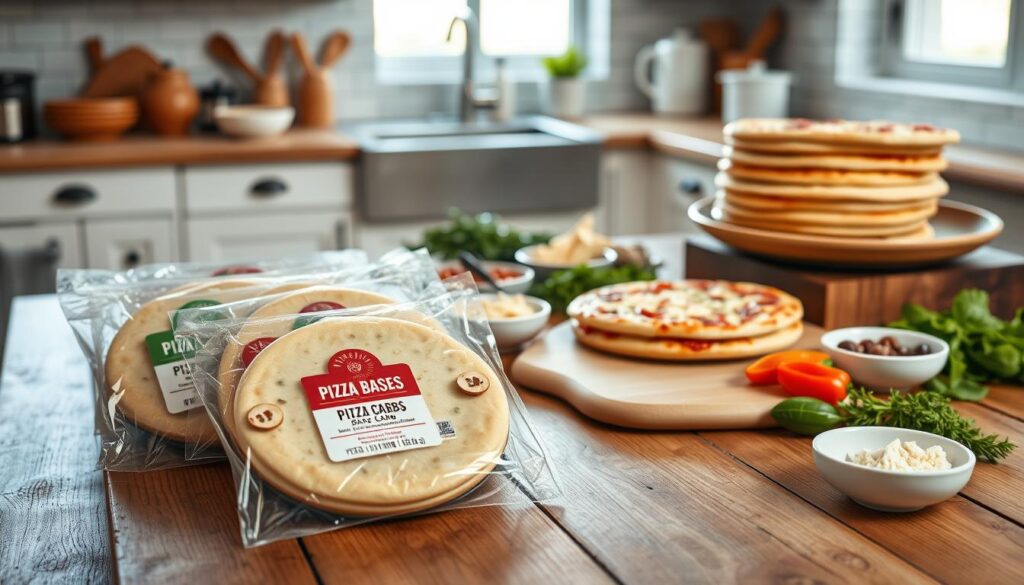
Turning your low carb pizza base into a meal prep solution is simple. With the right storage, you can enjoy homemade keto pizza even when you’re busy.
Storing your low carb pizza base in the fridge is easy. Keep the dough or crust in an airtight container for 3-5 days. This way, fresh pizza is just minutes from dinner.
Freezing Techniques for Your Keto Pizza Crust
Freezing your low carb pizza base makes meal planning fun. Here are some tips:
- Freeze raw dough balls wrapped tightly in plastic
- Pre-bake crusts and freeze individually
- Freeze complete pizzas with toppings
Ready to enjoy your frozen pizza? Here’s how to reheat:
- Thaw dough ball before rolling
- Bake frozen topped pizzas at 350°F for 15-20 minutes
- Reheat frozen pizza slices for 5-8 minutes
Pro tip: Always cool your pre-baked crust completely before freezing to prevent sogginess.
Spending a few hours on batch prep means delicious keto pizzas are always ready. Your future self will be grateful for this smart prep!
Gluten-Free and Dairy-Free Variations
Making a gluten-free pizza dough that fits different diets is simpler than you think. It’s great for those with food allergies or following certain diets. These options keep your keto pizza dreams alive.
Keto pizza fans with dietary needs can be happy! The gluten-free dough recipes here are flexible and don’t lose flavor or texture.
Egg-Free Keto Pizza Crust Alternative
Don’t worry about egg allergies or vegan diets. Here are some smart swaps:
- Make a flax egg by mixing 1 tablespoon ground flaxseed with 3 tablespoons lukewarm water
- Wait 5-10 minutes for it to gel
- Use it as an egg substitute in your gluten-free dough
Vegan-Friendly Modifications
To make your keto pizza vegan, try these ingredient swaps:
- Swap dairy cheese for vegan mozzarella
- Use olive oil instead of butter in the dough
- Try nut-based cheeses for extra taste
Texture might be a bit different, but you can still enjoy tasty pizza. Your dietary needs don’t mean you have to miss out.
Comparing Keto Pizza Crusts: Cauliflower vs Cheese-Based
When looking for keto pizza, you’ll find two main crusts: cauliflower and cheese-based. Each has its own special qualities for a low-carb pizza.
Cauliflower keto pizza is a hit with health fans. It’s made from veggies and is full of nutrients. But, making it can take a lot of time and effort.
- Cauliflower crust needs a lot of prep steps
- It’s key to remove moisture to avoid a soggy crust
- The crust is softer and not as sturdy
Cheese-based pizza crust, or fathead dough, offers a traditional pizza feel. It’s crispy and sturdy, just like the real thing. Making it is simpler, with fewer steps and less worry about moisture.
- It’s easier to make with fewer ingredients
- It makes a crispy, sturdy crust
- It’s closer to the real pizza texture
Your choice depends on what you like. Cauliflower pizza is great for veggie fans. Cheese-based crusts are perfect for those who want a real pizza taste. Both keep your diet low in carbs.
Conclusion
Your search for the perfect low-carb pizza is over. The ketogenic pizza bases you’ve found are more than just diet options. They’re real culinary experiences that can change how you plan meals.
These bases offer crispy edges and chewy centers, making you feel like you’re enjoying traditional pizza. The keto pizza crusts are also very versatile. You can use almond flour, cheese dough, or even cauliflower crust to make tasty pizzas that fit your low-carb diet.
Each slice has about 2-4 net carbs, compared to 20-30 grams in regular pizza. Kelsey, a real home cook, has shown these recipes work. By choosing the right ingredients, baking techniques, and toppings, you can make pizzas as good as those from restaurants.
Try different toppings and crusts, freeze crusts for easy meals, and enjoy pizza nights without worrying about your diet. Your keto pizza journey is just starting. With time, you’ll find your own style and see why so many love these tasty, low-carb options.
FAQ
How many net carbs are in a slice of keto pizza?
Can I make a keto pizza crust without using almond flour?
Is keto pizza crust gluten-free?
How can I make a vegan keto pizza crust?
Can I prepare keto pizza crust in advance?
What’s the difference between almond flour and coconut flour crusts?
How do I prevent my keto pizza crust from becoming soggy?
Can I reheat leftover keto pizza?
There are no reviews yet. Be the first one to write one.